housing program
Koinonia Vision
The KCDC serves anyone in need in the Kansas City metro area, primarily in Wyandotte County. Also in Wyandotte county, 17% live below the poverty line and 16.8% live without health care. In 2024, 18% of the population was living with severe housing problems and 20.6% of the children were living in poverty. The largest demographic living in poverty are Females 25 – 34, followed by Males 6 – 11 and then Females 35 – 44.
According to GKCCEH, on any given night in Kansas City, 2,181 people are homeless and 876 of those are living unsheltered every single night.
There is no geographical boundary that the center imposes on the surrounding population. The KCDC welcomes all who need the services we provide.
Programs & Services
Dedicated to transforming lives and building strong, healthy communities, the Kansas City Dream Center’s goal is to address the physical, emotional, and spiritual needs of Kansas City’s most vulnerable residents. Our programs offer hope, dignity, and essential resources to individuals and families facing difficult circumstances. Through targeted initiatives such as our Mobile Food Distribution, Food Pantry and Street Outreach, we are committed to meeting people where they are, providing immediate relief, and fostering long-term empowerment. Our Pantry is open two days a week, filled with a variety of healthy food, clothing, and other essential supplies; our Mobile Food Distribution service operates once every month, when we provide a variety of fresh, healthy food to hundreds of families in a drive-thru event; through our Street Outreach efforts, we reach out to people on the streets, under bridges, and in homeless camps to deliver food, water, and direct them towards long-term programs.
The KCDC successfully built relationships through the Adopt-A-Block program for six years (now discontinued, but an example of programming that evolves to fit the needs of our participants).
The center’s volunteer force provides over 10,000 hours in planning and implementing successful initiatives annually. In 2024,125 dedicated monthly volunteers contributed 10,436 hours of their time to help our friends in need. Our leadership has worked tirelessly with local government entities, community agencies, faith-based organizations, businesses, and grassroot groups. By partnering with multiple organizations, we have been successful in engaging with multiple under-resourced neighborhoods.
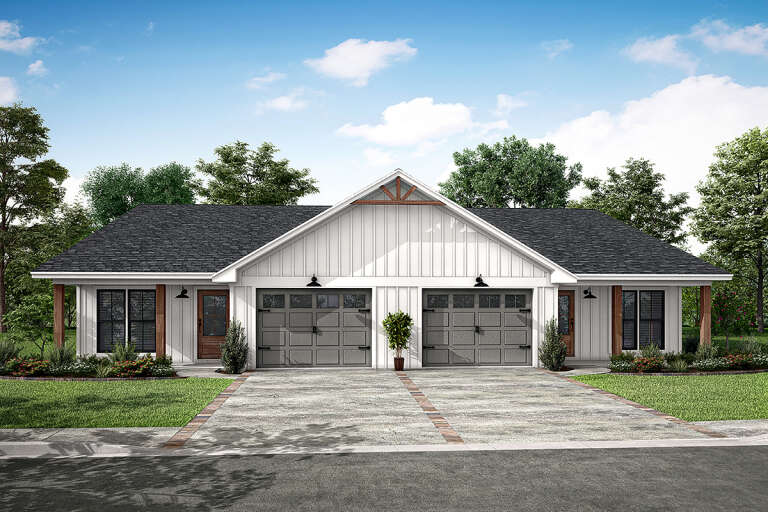
The KCDC’s new housing project, called Koinonia, will be a diverse, dynamic mixed-income community facility designed to support survivors of human trafficking on their journey to re-intergrate into the community. With the partnership of Building Bridges Ministry, KCDC plans to take several steps further in its mission to uplift the underserved and give people hope and dignity.
Role in the Human Services Ecosystem
The KC Dream Center was founded to connect with under-reached neighborhoods of the KC metro area in order to uplift and support people who are overlooked and ignored. Approximately 1 out of every 5 residents in the Kansas City area are in need of basic essentials. Our short-term goal is to meet people’s needs with efficiency and humanity; our long-term goal is to find working solutions for the populations we serve. We achieve this by establishing personal relationships with the people in these communities, keeping tabs on their evolving needs and struggles and adapting to address them in real time. This emphasis on developing one-on-one relationships is a unique approach that the Dream Center uses to solve issues for the populations we serve.
The KCDC has developed an infrastructure that is able to support the necessary level of experienced, well-rounded volunteers and professionals. We rely on volunteers, donations, and partnerships to carry out our mission; we have partnered with Harvesters, Hy-Vee, Sysco, Ibis Bakery, BlueCross BlueShield of Kansas City, Eleos Coffee, Building Bridges Ministry, and KC Chiefs player Chris Jones in finding ways to provide our community with food and resources. Our volunteer training and retention initiatives have allowed our programs to produce new advocates and empower and engage residents. Since 2018, leadership has provided coordination in planning and implementing scores of free initiatives benefiting over 26,000 residents and stakeholders. KCDC’s experienced, well-rounded volunteers/professionals contribute over 10,000 hours in planning and implementing successful initiatives annually.
Equity in Program Design & Delivery
The services and programs the KCDC provide are made accessible to communities that are racially and ethnically diverse, who may face geographical, financial barriers and/or barriers due to age, disability status, gender expression, and language/cultural. Our catchment area is 90% Latino, marginalized, and statistically fall well below Wyandotte County and surrounding counties. Our programs have focused on the broad spectrum of access, needs, and services in marginalized communities. They provide peer support, disease awareness, stigma reduction, changing systems of care, family engagement, “safety-nets”, upstream/downstream interventions, “wrap around” initiatives, improved access, and improved efficacy.
KCDC gives participants in our programs ways to communicate their struggles, which we document for future reference. Our Mobile Food Distribution program exemplifies how we listen to our participants and observe what obstacles limit their ability to participate, as we constantly adapt the program in order to meet people where they are by expanding its reach and capabilities. With our Food Pantry, we eliminate obstacles such as requests for identification information so as to allow it to be used a resource by all. By keeping lines of communication open and engaging participants at every step, KCDC customizes its programming to fill the needs of the people who depend on organizations like ours.
Organizational Values and Inclusive Practices
Please explain how your organization ensures that programs and services are accessible and respectful to individuals of diverse backgrounds, identities, and experiences. In your response, include specific examples of how your internal policies, culture, or practices reflect these values.
We serve anyone and everyone. No questions asked. Not asking for identification is one practice that displays our inclusivity. In addition, multiple recipients of our services return to volunteer with us. For example, Duke used to fly a sign and live under a bridge in the West Bottoms. After connecting with the KCDC, he started volunteering in our food pantry. He then got a job, an apartment, and one of our volunteers gave him a car. From struggling to survive, to living his best life
Addressing Barriers to Service
Many of those KCDC serve face physical and financial barriers to essential resources and needs. The displaced and unhoused individuals we reach through Street Outreach face obstacles such as transportation and identification; we assist them with resources. To make our Food Pantry more accessible, KCDC does not ask for identification from anyone needing food, a potential barrier that other food pantries present. Through our Mobile Food Distribution, KCDC provides food the first Saturday of each month to help those who cannot stop by during the week. The KCDC does not disqualify anyone from programs or services based on immigration status.
Outcomes & Impact
The programming the KCDC provides for our participants matters because accessibility to essential resources and interpersonal relationships allows struggling families and individuals to stay in their residence when possible to build a sense of community.
The KCDC team takes the time to build relationships with our participants, learning about their specific needs and ensuring that our assistance is more than just a transaction. Since 2020, the KCDC has distributed more than 2.2 million pounds of food (1.8 million meals) in the Kansas City metropolitan area. We form partnerships with those in need on the ground level as well as with established businesses to further provide support for local communities. Our Food Pantry assists more than 800 people with food and clothing every month. Our Street Outreach efforts assist 200-250 people every month. More than 50 unsheltered individuals experiencing homelessness received a life saving device, called a Backpack Bed, in the last twelve months. Our Mobile Food Distribution provides a variety of fresh, healthy food to approximately 200 families (1000 people) every month. In 2024, we assisted more than 15,772 people with donations of food, clothing, and other household items totaling $1,257,894 in value. We have several residents and former participants that now volunteer with the Dream Center because our programs have positively impacted their neighborhoods and helped make their lives stable and successful.